Imagine managing all your customer relationships from anywhere, on any device, with real-time updates and zero downtime. That’s the magic of a cloud based CRM app—your business’s ultimate tool for growth, efficiency, and customer satisfaction.
What Is a Cloud Based CRM App?

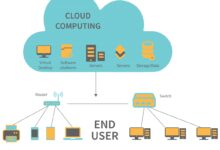
A cloud based CRM app is a customer relationship management system hosted on remote servers and accessed via the internet. Unlike traditional on-premise CRM software, which requires local installation and maintenance, a cloud based CRM app operates through a subscription model, delivering tools for sales, marketing, customer service, and analytics directly through a web browser or mobile application.
How It Differs from On-Premise CRM
Traditional CRM systems are installed locally on company servers, requiring significant upfront investment in hardware, software licenses, and IT staff. In contrast, a cloud based CRM app eliminates the need for physical infrastructure. It’s maintained and updated by the provider, reducing operational complexity and costs.
- On-premise CRM: High initial cost, full control over data, complex upgrades
- Cloud based CRM app: Low entry cost, automatic updates, scalable, accessible from anywhere
According to Gartner, over 80% of new CRM deployments in 2023 were cloud-based, highlighting a clear industry shift.
Core Components of a Cloud CRM System
A robust cloud based CRM app typically includes several integrated modules designed to streamline business processes:
- Sales Automation: Tracks leads, manages pipelines, automates follow-ups.
- Marketing Automation: Enables email campaigns, lead scoring, and campaign tracking.
- Customer Service & Support: Offers ticketing systems, knowledge bases, and live chat integration.
- Analytics & Reporting: Delivers dashboards, KPIs, and predictive insights.
- Integration Capabilities: Connects with email, calendars, ERP, and e-commerce platforms.
“The cloud has transformed CRM from a back-office tool into a strategic engine for customer engagement.” — Salesforce, State of Sales Report 2023
Top 7 Benefits of Using a Cloud Based CRM App
Adopting a cloud based CRM app isn’t just a tech upgrade—it’s a strategic move that can redefine how your business interacts with customers. From cost savings to scalability, the advantages are compelling and measurable.
1. Cost Efficiency and Predictable Spending
One of the most attractive features of a cloud based CRM app is its cost structure. Instead of large capital expenditures, businesses pay a predictable monthly or annual subscription fee. This includes software licensing, maintenance, security, and updates.
- No need for expensive servers or IT infrastructure
- Reduced need for in-house technical support
- Pay-as-you-go models allow budget flexibility
For small and medium-sized businesses (SMBs), this lowers the barrier to entry for enterprise-grade tools. A study by Nucleus Research found that cloud CRM delivers an average ROI of $8.71 for every dollar spent.
2. Accessibility and Remote Work Enablement
In today’s hybrid and remote work environments, accessibility is critical. A cloud based CRM app allows employees to access customer data from any location, on any device with an internet connection.
- Sales teams can update deals from client sites
- Support agents can resolve tickets from home
- Managers can monitor performance in real time
This flexibility enhances productivity and responsiveness. During the pandemic, companies using cloud CRM reported 30% higher customer satisfaction due to uninterrupted service.
3. Automatic Updates and Continuous Innovation
With on-premise systems, updates require manual intervention, downtime, and IT resources. A cloud based CRM app, however, receives automatic updates from the provider, ensuring users always have the latest features, security patches, and compliance enhancements.
- New features roll out seamlessly without disruption
- Security updates are applied instantly across all users
- Providers often release quarterly innovation packs
For example, Salesforce releases three major updates per year, adding AI capabilities, automation tools, and UX improvements—all without user intervention.
4. Scalability to Match Business Growth
As your business grows, so do your CRM needs. A cloud based CRM app scales effortlessly. Whether you’re adding new users, expanding to new regions, or integrating with additional tools, the system adapts without requiring hardware upgrades.
- Add or remove users with a few clicks
- Scale storage and processing power dynamically
- Support global teams with multi-language and multi-currency features
This elasticity makes cloud CRM ideal for startups and fast-growing companies. You only pay for what you use, avoiding over-provisioning.
5. Enhanced Data Security and Compliance
Contrary to common misconceptions, cloud based CRM apps often offer superior security compared to on-premise systems. Leading providers invest heavily in encryption, threat detection, and compliance certifications.
- Data encrypted both in transit and at rest
- Regular third-party audits (e.g., SOC 2, ISO 27001)
- GDPR, CCPA, and HIPAA compliance built-in
Providers like Microsoft Dynamics 365 and HubSpot maintain data centers with military-grade security, something most businesses can’t replicate in-house.
6. Seamless Integration with Other Business Tools
A cloud based CRM app doesn’t operate in isolation. It integrates with email platforms (Gmail, Outlook), marketing tools (Mailchimp, Marketo), e-commerce systems (Shopify, Magento), and productivity suites (Google Workspace, Microsoft 365).
- Sync contacts and calendars automatically
- Import leads from web forms and landing pages
- Trigger workflows across platforms (e.g., new lead → welcome email → task assignment)
These integrations create a unified ecosystem, eliminating data silos and reducing manual data entry.
7. Real-Time Analytics and Business Intelligence
Modern cloud based CRM apps come equipped with powerful analytics engines. They collect data from every customer interaction and transform it into actionable insights.
- Track sales performance with live dashboards
- Forecast revenue using historical trends
- Identify customer behavior patterns with AI-driven insights
For instance, Zoho CRM’s Analytics Plus allows users to create custom reports and predictive models without coding. This empowers decision-makers with data-driven strategies.
How to Choose the Right Cloud Based CRM App for Your Business
Selecting the right cloud based CRM app requires careful evaluation of your business needs, team size, industry, and long-term goals. A one-size-fits-all solution rarely works.
Assess Your Business Requirements
Start by identifying your key pain points. Are you struggling with lead tracking? Poor customer follow-up? Inefficient marketing campaigns? Define what you need the CRM to solve.
- List essential features (e.g., pipeline management, email integration)
- Determine user roles (sales reps, managers, support agents)
- Consider industry-specific needs (e.g., real estate, healthcare, retail)
For example, a real estate agency might prioritize property tracking and client scheduling, while a SaaS company may focus on subscription management and churn analysis.
Evaluate Key Features and Usability
The best cloud based CRM app is not the one with the most features, but the one that’s easy to use and aligns with your workflows.
- Look for intuitive interfaces and mobile accessibility
- Check for customization options (custom fields, workflows)
- Test the user experience with a free trial
According to Capterra, ease of use is the top factor influencing CRM adoption among employees.
Check Integration and API Capabilities
Your CRM should connect with the tools you already use. Evaluate its integration marketplace and API access.
- Does it integrate with your email and calendar?
- Can it sync with your accounting software (e.g., QuickBooks)?
- Is there a robust API for custom integrations?
Platforms like HubSpot and Salesforce offer extensive app marketplaces with thousands of pre-built integrations.
Top Cloud Based CRM Apps in 2024
The market is flooded with CRM solutions, but a few stand out due to their functionality, reliability, and user satisfaction. Here’s a look at the leading cloud based CRM apps.
Salesforce Sales Cloud
Salesforce remains the global leader in CRM, powering over 150,000 companies worldwide. Its Sales Cloud offers a comprehensive suite for sales automation, lead management, and AI-powered insights.
- AI-powered Einstein Analytics for forecasting
- Highly customizable with Lightning Platform
- Extensive AppExchange for third-party integrations
Salesforce is ideal for large enterprises and mid-sized businesses needing deep customization. Learn more at salesforce.com.
HubSpot CRM
HubSpot CRM is a favorite among SMBs and startups for its free tier and user-friendly design. It combines sales, marketing, and service tools in one platform.
- Free forever plan with core CRM features
- Seamless integration with HubSpot’s marketing hub
- Excellent onboarding and educational resources
HubSpot excels in inbound marketing and customer lifecycle management. Visit hubspot.com to explore.
Microsoft Dynamics 365
For organizations already using Microsoft 365, Dynamics 365 offers deep integration with Outlook, Teams, and Excel. It’s a powerful choice for enterprise-level CRM and ERP convergence.
- Tight integration with Microsoft ecosystem
- AI-driven insights and process automation
- Strong compliance and security features
Dynamics 365 is best suited for businesses invested in Microsoft’s ecosystem. More at dynamics.microsoft.com.
Common Challenges and How to Overcome Them
While cloud based CRM apps offer immense value, implementation isn’t always smooth. Understanding common pitfalls can help you avoid them.
User Adoption Resistance
One of the biggest challenges is getting employees to use the CRM consistently. Resistance often stems from complexity, lack of training, or perceived extra workload.
- Involve users early in the selection process
- Provide hands-on training and ongoing support
- Highlight personal benefits (e.g., easier reporting, less manual work)
A study by Panorama Consulting found that poor user adoption is the leading cause of CRM failure.
Data Migration Issues
Moving data from spreadsheets or legacy systems to a new cloud based CRM app can be messy. Incomplete or inaccurate data migration leads to trust issues and inefficiencies.
- Clean and standardize data before migration
- Use automated migration tools provided by the vendor
- Run test migrations and validate results
Always backup your data and involve IT or a CRM consultant if needed.
Integration Complexity
While cloud CRMs offer integration, connecting multiple systems can still be complex, especially with custom workflows or legacy software.
- Start with essential integrations first
- Use middleware like Zapier or Make for no-code connections
- Consult integration specialists for complex setups
Proper planning and phased implementation reduce integration risks.
Future Trends Shaping Cloud Based CRM Apps
The CRM landscape is evolving rapidly, driven by AI, automation, and changing customer expectations. Staying ahead means understanding where the technology is headed.
AI and Predictive Analytics
Artificial intelligence is no longer a luxury—it’s a core component of modern cloud based CRM apps. AI powers features like lead scoring, sentiment analysis, and next-best-action recommendations.
- Salesforce Einstein predicts deal closure likelihood
- HubSpot uses AI to suggest email content
- Microsoft Copilot integrates AI into daily workflows
By 2025, Gartner predicts that 75% of customer interactions will involve AI-driven technologies.
Hyper-Personalization at Scale
Customers expect personalized experiences. Cloud based CRM apps now enable businesses to deliver tailored content, offers, and support based on individual behavior and preferences.
- Track customer journey across channels
- Use behavioral data to trigger personalized emails
- Deliver dynamic website content based on CRM profiles
This level of personalization increases conversion rates and loyalty.
Mobile-First and Voice-Enabled CRM
With more sales happening on the go, mobile CRM functionality is essential. Future cloud based CRM apps will prioritize mobile experiences and even incorporate voice commands.
- Mobile apps with offline access and real-time sync
- Voice-to-text for logging calls and notes
- Integration with smart assistants like Alexa for Business
Companies like Salesforce and Zoho are already testing voice-enabled CRM features.
Best Practices for Implementing a Cloud Based CRM App
Successful CRM implementation goes beyond software selection. It requires strategy, planning, and change management.
Define Clear Goals and KPIs
Before deployment, establish what success looks like. Are you aiming to increase sales by 20%? Reduce response time by 50%? Define measurable goals.
- Set KPIs like lead conversion rate, customer retention, and sales cycle length
- Align CRM objectives with overall business strategy
- Communicate goals to all stakeholders
Clear goals keep the implementation focused and measurable.
Start Small and Scale Gradually
Instead of a big-bang rollout, start with a pilot group—perhaps one sales team or department. Gather feedback, refine processes, and then expand.
- Test core functionalities with a small team
- Address issues before company-wide deployment
- Use early wins to build momentum and buy-in
This phased approach reduces risk and increases adoption.
Invest in Training and Ongoing Support
Even the best cloud based CRM app fails without proper training. Employees need to understand not just how to use the system, but why it benefits them.
- Offer role-based training sessions
- Create video tutorials and knowledge bases
- Appoint internal CRM champions to assist peers
Continuous learning ensures long-term success.
What is a cloud based CRM app?
A cloud based CRM app is a software solution hosted on remote servers that helps businesses manage customer interactions, sales pipelines, marketing campaigns, and customer service—all accessible via the internet from any device.
Is a cloud based CRM app secure?
Yes, reputable cloud based CRM apps use advanced encryption, regular security audits, and compliance certifications (like GDPR and SOC 2) to protect data. In many cases, they are more secure than on-premise systems.
How much does a cloud based CRM app cost?
Costs vary by provider and features. Many offer free tiers (e.g., HubSpot CRM), while paid plans range from $12 to $300+ per user per month. Enterprise solutions may require custom pricing.
Can I integrate a cloud based CRM app with my existing tools?
Absolutely. Most cloud based CRM apps integrate seamlessly with email, calendars, marketing automation, e-commerce platforms, and more—often through native integrations or APIs.
Which cloud based CRM app is best for small businesses?
HubSpot CRM is highly recommended for small businesses due to its free plan, ease of use, and comprehensive features. Zoho CRM and Insightly are also strong contenders.
Adopting a cloud based CRM app is no longer optional—it’s essential for staying competitive in today’s customer-centric world. From cost savings and scalability to AI-powered insights and remote accessibility, the benefits are transformative. By choosing the right platform, implementing it strategically, and embracing future trends, businesses can build stronger customer relationships and drive sustainable growth. The future of customer management is in the cloud, and the time to act is now.
Further Reading:
