In today’s hyper-connected world, businesses thrive on meaningful interactions. CRM based communication isn’t just a tool—it’s a game-changer, turning random chats into lasting relationships. Discover how smart companies are leveraging it to boost loyalty, sales, and satisfaction.
What Is CRM Based Communication?
?w=1200)
At its core, CRM based communication refers to the strategic use of Customer Relationship Management (CRM) systems to manage, automate, and personalize interactions with customers across multiple channels. It’s not just about storing contact details; it’s about creating a seamless, data-driven dialogue that enhances customer experience and drives business growth.
Defining CRM and Its Communication Role
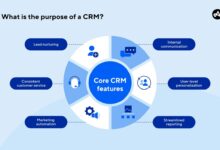
A CRM system collects and organizes customer data—purchase history, preferences, support tickets, and engagement metrics. When applied to communication, this data enables businesses to send targeted messages, anticipate needs, and deliver consistent service. Whether it’s an automated email after a purchase or a personalized offer based on browsing behavior, CRM based communication ensures relevance at every touchpoint.
- CRM systems centralize customer data from emails, calls, social media, and websites.
- They enable segmentation for tailored messaging.
- Communication becomes proactive, not just reactive.
Evolution from Traditional to CRM-Driven Communication
Traditional customer communication was often generic and one-size-fits-all. Mass emails, cold calls, and broad advertising lacked personalization. With the rise of digital tools, businesses began to see the value in individualized interactions. CRM based communication emerged as a response—transforming static outreach into dynamic, insight-led conversations.
According to Salesforce, 84% of customers say being treated like a person, not a number, is key to winning their business. CRM systems make this possible by remembering past interactions and preferences, allowing brands to treat each customer uniquely.
“The best marketing feels like a conversation, not a broadcast. CRM based communication turns that ideal into reality.”
Why CRM Based Communication Is a Game-Changer
CRM based communication is more than a technological upgrade—it’s a strategic shift that impacts every part of the customer journey. From first contact to long-term loyalty, it reshapes how businesses connect with their audience.
Enhanced Customer Experience Through Personalization
Personalization is the cornerstone of modern marketing. CRM based communication allows companies to address customers by name, recommend products based on past purchases, and send timely follow-ups. This level of detail makes customers feel valued and understood.
For example, an e-commerce brand using CRM data might send a birthday discount to a loyal customer, along with product suggestions based on their recent searches. This isn’t just marketing—it’s thoughtful engagement.
- Personalized emails have a 29% higher open rate (Campaign Monitor).
- CRM-driven recommendations increase average order value by up to 30%.
- Customers are 76% more likely to buy from brands that personalize (McKinsey).
Improved Sales Efficiency and Conversion Rates
Sales teams equipped with CRM based communication tools can prioritize leads, track interactions, and follow up at the right moment. Automated workflows ensure no opportunity slips through the cracks. For instance, if a lead downloads a whitepaper, the CRM can trigger a personalized email sequence introducing relevant services.
A study by Nucleus Research found that CRM systems deliver an average $8.70 return for every dollar spent. Much of this ROI comes from faster deal closures and higher conversion rates fueled by timely, relevant communication.
Stronger Customer Retention and Loyalty
Acquiring a new customer can cost five times more than retaining an existing one (Harvard Business Review). CRM based communication helps nurture existing relationships by identifying at-risk customers, rewarding loyalty, and offering proactive support.
For example, a SaaS company might use CRM data to detect users who haven’t logged in for 30 days. An automated re-engagement email with a helpful tutorial or a special offer can bring them back—before they cancel.
“Retention is not about discounts—it’s about relevance. CRM based communication keeps the relationship alive.”
Key Components of Effective CRM Based Communication
To harness the full power of CRM based communication, businesses must integrate several critical components. These elements work together to create a cohesive, intelligent communication ecosystem.
Centralized Customer Data Management
The foundation of any CRM strategy is a unified customer database. This includes contact information, interaction history, purchase behavior, support tickets, and even sentiment analysis from social media. When all data lives in one place, every team—from sales to support—can deliver consistent, informed communication.
Without centralized data, businesses risk sending conflicting messages. Imagine a customer receiving a promotional email for a product they just returned. CRM systems prevent such missteps by providing a single source of truth.
- Integrate data from email, phone, chat, social media, and e-commerce platforms.
- Use data enrichment tools to fill gaps in customer profiles.
- Ensure GDPR and CCPA compliance in data handling.
Automation and Workflow Integration
Automation is what makes CRM based communication scalable. Workflows can trigger actions based on customer behavior—like sending a thank-you email after a purchase or escalating a support ticket if a customer complains twice.
For example, a travel agency might set up a workflow: when a customer books a trip, the CRM automatically sends a confirmation, followed by a pre-departure checklist, and then a post-trip survey. Each step is personalized and timed perfectly, without manual effort.
Tools like Zapier and native CRM automations (e.g., HubSpot, Salesforce) make this seamless. The result? Faster response times, fewer errors, and more consistent engagement.
Multi-Channel Communication Sync
Today’s customers interact across email, phone, social media, live chat, and SMS. CRM based communication must be omnichannel—meaning the conversation continues seamlessly no matter the platform.
If a customer starts a chat on Instagram and then calls support, the agent should see the full history. No repetition, no frustration. This level of continuity is only possible when all channels are integrated into the CRM.
- Email: Personalized campaigns and automated nurture sequences.
- Social Media: Track mentions and respond via CRM-linked dashboards.
- Live Chat: Real-time support with access to customer history.
- SMS: Time-sensitive alerts and confirmations.
“Omnichannel isn’t a buzzword—it’s a necessity. CRM based communication makes it work.”
Top CRM Platforms for Communication Excellence
Not all CRM systems are created equal when it comes to communication. Some are built for sales tracking, others for marketing automation, and a few excel at both. Here’s a look at the top platforms that empower CRM based communication.
Salesforce: The Enterprise Powerhouse
Salesforce is the world’s leading CRM platform, known for its robust communication tools. With Einstein AI, it can predict customer needs and suggest the best time to reach out. Its Marketing Cloud enables personalized email, social, and mobile campaigns at scale.
Salesforce integrates with thousands of apps, including Slack, Mailchimp, and Zoom, making it ideal for large organizations that need flexibility and depth. Its Service Cloud ensures support teams can deliver consistent, data-backed responses.
- AI-driven insights for smarter communication timing.
- Advanced segmentation for hyper-targeted messaging.
- Global scalability with multi-language and regional support.
Learn more at Salesforce Sales Cloud.
HubSpot: The All-in-One Inbound Leader
HubSpot stands out for its user-friendly interface and seamless integration of CRM, marketing, sales, and service hubs. Its strength lies in inbound communication—attracting customers through valuable content and nurturing them with automated workflows.
For example, a blog visitor who downloads an ebook is automatically added to a CRM-based email sequence. HubSpot tracks their engagement and scores leads based on behavior, helping sales teams prioritize follow-ups.
- Free CRM with powerful communication features.
- Drag-and-drop email builder with personalization tokens.
- Live chat and chatbot integration for real-time engagement.
Explore HubSpot’s tools at HubSpot CRM.
Microsoft Dynamics 365: The Integrated Business Suite
Microsoft Dynamics 365 combines CRM and ERP functionalities, making it ideal for businesses already using Microsoft 365. Its communication tools are deeply integrated with Outlook, Teams, and Power BI, enabling smooth collaboration across departments.
Dynamics 365 uses AI to analyze customer sentiment in emails and calls, helping teams adjust their tone and approach. It’s particularly strong in B2B communication, where complex sales cycles require detailed tracking and coordination.
- Tight integration with Microsoft Office and Teams.
- AI-powered customer insights and recommendations.
- Customizable workflows for complex communication processes.
“Choosing the right CRM isn’t about features—it’s about fit. The best platform aligns with your communication goals.”
Strategies to Maximize CRM Based Communication
Having a CRM is one thing; using it effectively is another. To truly leverage CRM based communication, businesses need a clear strategy. Here are seven proven approaches.
Segment Your Audience for Precision Messaging
One-size-fits-all communication is dead. CRM based communication thrives on segmentation—dividing your audience into groups based on behavior, demographics, or lifecycle stage.
For example:
- New leads get a welcome series introducing your brand.
- Repeat customers receive loyalty rewards.
- At-risk accounts get re-engagement campaigns.
CRM tools like HubSpot and Salesforce allow dynamic segmentation that updates in real time. The result? Higher engagement and lower unsubscribe rates.
Use Behavioral Triggers for Timely Outreach
Timing is everything in communication. CRM based communication excels by using behavioral triggers—automated responses to specific actions.
Examples include:
- Sending a discount offer when a customer abandons their cart.
- Following up with a case study after a prospect visits your pricing page three times.
- Alerting a sales rep when a lead opens an email five times.
These triggers ensure your message arrives when the customer is most interested, increasing conversion chances by up to 70% (Vendasta).
Integrate AI for Predictive Engagement
AI is transforming CRM based communication from reactive to predictive. Machine learning algorithms analyze past behavior to forecast future actions—like which customers are likely to churn or which leads are ready to buy.
Salesforce’s Einstein and HubSpot’s Predictive Lead Scoring use AI to prioritize outreach. For instance, if a customer’s login frequency drops and they stop opening emails, the CRM flags them as high-risk, prompting a retention campaign.
According to Gartner, by 2025, 60% of B2B companies will use AI-driven CRM tools to enhance customer engagement.
“AI doesn’t replace human touch—it enhances it. CRM based communication becomes smarter, not colder.”
Measuring the Success of CRM Based Communication
Investing in CRM based communication is only worthwhile if you can measure its impact. Key performance indicators (KPIs) help track progress and optimize strategies.
Customer Engagement Metrics
Engagement shows how well your communication resonates. Key metrics include:
- Email open and click-through rates (CTR)
- Social media interactions (likes, shares, replies)
- Website visits from CRM-triggered campaigns
- Time spent on personalized content
A rising CTR indicates your messages are relevant. A drop may signal over-messaging or poor targeting.
Sales and Conversion KPIs
Ultimately, CRM based communication should drive revenue. Track:
- Lead-to-customer conversion rate
- Average deal size from nurtured leads
- Sales cycle length
- Revenue attributed to CRM campaigns
CRM platforms like Salesforce provide dashboards that link communication activities to closed deals, offering clear ROI insights.
Customer Satisfaction and Retention Rates
Happy customers stay longer and spend more. Monitor:
- Net Promoter Score (NPS)
- Customer Satisfaction (CSAT) scores
- Churn rate
- Repeat purchase rate
A CRM can automate post-interaction surveys and track sentiment over time. For example, if CSAT drops after a support call, the system can flag it for coaching.
“What gets measured gets improved. CRM based communication turns intuition into insight.”
Future Trends in CRM Based Communication
The world of CRM based communication is evolving fast. Emerging technologies and shifting customer expectations are shaping what’s next.
Rise of Conversational AI and Chatbots
Chatbots powered by natural language processing (NLP) are becoming central to CRM based communication. They handle routine inquiries 24/7, freeing human agents for complex issues.
Modern chatbots, like those in Salesforce Einstein Bots or HubSpot’s Conversations, pull data from the CRM to personalize responses. A bot can say, “Hi Sarah, I see your order #12345 shipped yesterday. Need tracking info?”—making interactions feel human.
- Reduce response time from hours to seconds.
- Handle 80% of routine queries, boosting efficiency.
- Integrate with CRM to update customer records automatically.
Hyper-Personalization Through Data Analytics
The future isn’t just personalized—it’s hyper-personalized. CRM systems will use real-time data from IoT devices, browsing behavior, and even biometrics to tailor messages.
Imagine a fitness brand sending a hydration reminder to a customer mid-workout, based on data from their smartwatch synced to the CRM. This level of context is becoming possible.
According to McKinsey, companies that master hyper-personalization see 10-30% increases in revenue.
Privacy-First Communication Models
With growing concerns over data privacy, CRM based communication must balance personalization with consent. The future lies in zero-party data—information customers willingly share, like preferences and intentions.
Brands will shift from tracking to transparency, asking customers: “How would you like us to communicate?” and “What offers interest you?” CRM systems will respect these choices, building trust and compliance.
“The most powerful communication isn’t the loudest—it’s the most respectful.”
What is CRM based communication?
CRM based communication is the use of Customer Relationship Management systems to manage, automate, and personalize interactions with customers. It leverages customer data to deliver timely, relevant messages across email, social media, chat, and other channels, improving engagement and loyalty.
How does CRM improve customer communication?
CRM improves communication by centralizing customer data, enabling personalization, automating responses, and supporting omnichannel engagement. It ensures every interaction is informed, consistent, and timely, leading to higher satisfaction and conversion rates.
Which CRM is best for communication?
The best CRM for communication depends on your needs. Salesforce offers deep customization and AI. HubSpot excels in inbound marketing and ease of use. Microsoft Dynamics 365 integrates well with Office 365. All support robust CRM based communication features.
Can small businesses benefit from CRM based communication?
Absolutely. Even small businesses can use CRM tools like HubSpot’s free plan or Zoho CRM to automate emails, track leads, and personalize outreach. CRM based communication helps small brands compete with larger ones by delivering a professional, consistent experience.
Is CRM based communication compliant with data privacy laws?
Yes, when implemented correctly. CRM systems must comply with regulations like GDPR and CCPA by securing data, obtaining consent, and allowing customers to opt out. Leading CRMs include built-in privacy controls to help businesses stay compliant.
CRM based communication is no longer optional—it’s essential. From personalized emails to AI-driven chatbots, it transforms how businesses connect with customers. By centralizing data, automating workflows, and embracing omnichannel strategies, companies can build stronger relationships, boost sales, and enhance loyalty. As technology evolves, the future promises even deeper personalization, smarter automation, and more ethical data use. The brands that master CRM based communication today will lead the customer experience revolution tomorrow.
Further Reading:
