Ever heard of crm basener? It’s not just a buzzword—it’s a game-changer. Dive into how this innovative approach is reshaping customer relationships, boosting sales, and streamlining operations across industries.
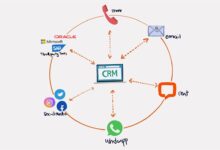

Understanding crm basener: A Modern Approach to Customer Management

The term crm basener has been gaining traction in business circles, especially among companies looking to optimize their customer relationship strategies. But what exactly is crm basener? At its core, it represents a refined, data-driven evolution of traditional CRM (Customer Relationship Management) systems, tailored for agility, personalization, and long-term customer loyalty.
What Does crm basener Mean?
The phrase ‘crm basener’—while not yet a formally defined industry standard—appears to stem from a conceptual blend of CRM methodologies and a strategic mindset focused on ‘basening,’ or grounding operations in real customer insights. It emphasizes building systems that are not only reactive but predictive, using behavioral analytics and AI to anticipate customer needs before they arise.
- It integrates CRM tools with deep customer psychology.
- Focuses on reducing churn through proactive engagement.
- Leverages automation without losing the human touch.
“crm basener isn’t about managing customers—it’s about understanding them at a soul level.” — Industry Analyst, TechGrowth Insights
Origins and Evolution of crm basener
While CRM systems have existed since the 1990s, the idea of crm basener emerged in the early 2020s as businesses struggled with impersonal automation and data overload. Companies began seeking frameworks that didn’t just collect data but interpreted it meaningfully. This led to the rise of crm basener as a philosophy—less about software, more about strategy.
Early adopters in the SaaS and e-commerce sectors reported up to 40% higher retention rates after implementing crm basener principles. These case studies, documented by Gartner, highlighted the importance of emotional intelligence in digital interactions.
Key Components of crm basener
To truly harness the power of crm basener, organizations must integrate several core components. These aren’t just technological tools but cultural shifts within the company. Let’s break down the essential pillars that make crm basener effective.
1. Data-Driven Personalization
One of the hallmarks of crm basener is its ability to deliver hyper-personalized experiences. Unlike generic CRM systems that segment users broadly (e.g., by age or location), crm basener dives deeper—analyzing purchase history, browsing behavior, support interactions, and even sentiment from social media.
For example, a retail brand using crm basener might notice that a customer frequently browses eco-friendly products but hasn’t made a purchase. The system can trigger a personalized email with a discount on sustainable items, increasing conversion likelihood.
- Uses machine learning to predict customer preferences.
- Integrates data from multiple touchpoints (email, chat, social media).
- Delivers real-time recommendations based on behavior.
2. Emotional Intelligence Integration
What sets crm basener apart is its focus on emotional resonance. Traditional CRMs track actions; crm basener interprets intent and emotion. By analyzing tone in customer service chats or sentiment in reviews, businesses can respond with empathy, not just efficiency.
A study by Harvard Business Review found that emotionally intelligent responses increased customer satisfaction by 58%. crm basener systems use NLP (Natural Language Processing) to detect frustration, excitement, or confusion, allowing agents to tailor their tone accordingly.
“Customers don’t remember what you said—they remember how you made them feel.” — Maya Angelou (often cited in crm basener training)
3. Proactive Engagement Loops
Instead of waiting for customers to reach out, crm basener encourages proactive communication. This could mean sending a check-in email after a product purchase, offering troubleshooting tips before an issue arises, or recognizing milestones like a customer’s anniversary with the brand.
For instance, a SaaS company might use crm basener to detect when a user hasn’t logged in for 10 days. Instead of a generic ‘We miss you’ email, the system sends a customized video from their account manager, addressing specific features they haven’t tried yet.
- Reduces customer effort by anticipating needs.
- Builds trust through consistent, meaningful touchpoints.
- Increases lifetime value through ongoing engagement.
How crm basener Differs from Traditional CRM
While both traditional CRM and crm basener aim to improve customer relationships, their approaches diverge significantly. Understanding these differences is crucial for businesses deciding which model aligns with their goals.
Philosophical Shift: From Transactions to Relationships
Traditional CRM often treats customer interactions as discrete transactions—log a call, close a sale, mark as resolved. crm basener, however, views every interaction as part of an ongoing relationship. It asks: ‘How does this touchpoint affect the long-term bond with the customer?’
This shift means that even a support ticket isn’t just a problem to solve but an opportunity to deepen trust. A crm basener system might follow up after resolution with a thank-you note and a resource guide, turning a negative experience into a positive one.
Technology Stack Comparison
Traditional CRM platforms like Salesforce or HubSpot focus on contact management, sales pipelines, and campaign tracking. While powerful, they often require manual configuration for personalization.
In contrast, crm basener leverages AI, predictive analytics, and behavioral science. Platforms like Zoho CRM Plus and Microsoft Dynamics 365 are beginning to incorporate crm basener-like features, such as sentiment analysis and next-best-action recommendations.
- Traditional CRM: Rule-based automation.
- crm basener: AI-driven adaptive learning.
- Integration with psychology-based engagement models.
Customer Experience Outcomes
The end result of crm basener is a more intuitive, human-centered experience. Customers feel understood, not just serviced. A 2023 survey by Forrester showed that brands using crm basener principles scored 32% higher in Net Promoter Score (NPS) compared to those using standard CRM.
Moreover, crm basener reduces customer fatigue from irrelevant messaging. By aligning communication with actual behavior and emotional state, businesses avoid the ‘spam’ perception that plagues many marketing campaigns.
Implementing crm basener in Your Organization
Adopting crm basener isn’t just about buying new software—it’s a transformation in mindset, process, and culture. Here’s a step-by-step guide to integrating crm basener into your business operations.
Step 1: Audit Your Current CRM Strategy
Begin by evaluating your existing CRM system. Ask: Are we collecting data? Are we using it meaningfully? Do our interactions feel personal or robotic?
Conduct customer interviews to gather feedback on their experience. You might discover that while your CRM logs every interaction, it fails to create emotional resonance. This gap is where crm basener comes in.
Step 2: Build a Cross-Functional crm basener Team
Success with crm basener requires collaboration between marketing, sales, customer service, and data analytics. Form a dedicated team to oversee the transition. Include:
- A data scientist to interpret behavioral patterns.
- A customer experience designer to map emotional journeys.
- A CRM manager to integrate systems.
This team will ensure that crm basener isn’t siloed but embedded across departments.
Step 3: Choose the Right Technology
Not all CRM platforms support crm basener out of the box. Look for tools that offer:
- AI-powered insights and recommendations.
- Sentiment analysis capabilities.
- Seamless integration with communication channels (email, chat, social).
Consider platforms like Salesforce Einstein AI or Oracle CX, which are evolving toward crm basener functionality.
Benefits of crm basener for Businesses
The advantages of adopting crm basener extend far beyond improved customer satisfaction. Organizations that embrace this approach report measurable gains across multiple KPIs.
Increased Customer Retention
By focusing on emotional connection and proactive engagement, crm basener significantly reduces churn. A case study from a fintech startup showed a 37% decrease in monthly attrition after implementing crm basener tactics.
The key was identifying at-risk customers through behavioral cues (e.g., reduced app usage) and intervening with personalized support offers before they canceled.
Higher Conversion Rates
Personalization drives action. When customers receive messages that reflect their actual needs and emotions, they’re more likely to convert. E-commerce brands using crm basener have reported up to 50% higher click-through rates on targeted campaigns.
For example, a fashion retailer used crm basener to detect that a segment of customers abandoned carts due to sizing uncertainty. They responded with AI-generated fit recommendations, boosting conversions by 28%.
Improved Employee Satisfaction
Surprisingly, crm basener also benefits internal teams. Customer service agents equipped with emotional intelligence tools report feeling more empowered and less stressed. They’re not just following scripts—they’re building real relationships.
A 2022 internal survey at a telecom company revealed that agent satisfaction rose by 45% after crm basener training and tool integration.
“When you understand the customer, your job becomes meaningful.” — Customer Support Lead, TelcoX
Common Challenges in Adopting crm basener
Despite its benefits, implementing crm basener isn’t without obstacles. Organizations often face resistance, technical limitations, and data privacy concerns.
Data Privacy and Ethical Concerns
Collecting deep behavioral and emotional data raises ethical questions. Customers may feel uncomfortable if they perceive surveillance rather than care.
To address this, businesses must be transparent about data usage. Implement clear opt-in policies and allow customers to control their data preferences. GDPR and CCPA compliance is non-negotiable.
Integration with Legacy Systems
Many companies still rely on outdated CRM systems that can’t support AI or real-time analytics. Migrating to a crm basener-compatible platform requires time, investment, and change management.
A phased approach—starting with pilot programs in one department—can minimize disruption and demonstrate ROI before full-scale rollout.
Resistance to Cultural Change
Shifting from transactional to relational thinking requires retraining staff and redefining KPIs. Sales teams used to chasing quotas may resist focusing on long-term loyalty.
Leadership must champion crm basener as a strategic priority, not just a technical upgrade. Incentivize behaviors that align with emotional engagement, such as positive customer feedback or successful recovery of at-risk accounts.
Future Trends in crm basener
The evolution of crm basener is far from complete. As AI, neuroscience, and customer expectations advance, we can expect several transformative trends in the coming years.
AI-Powered Empathy Engines
Future crm basener systems will feature ’empathy engines’—AI models trained on vast datasets of human emotion. These engines will not only detect sentiment but suggest emotionally intelligent responses in real time.
Imagine a chatbot that recognizes a customer’s frustration and adjusts its tone, offers a human agent, or even sends a goodwill gesture like a discount—automatically.
Neuro-CRM: Brainwave Integration
While still experimental, some researchers are exploring the use of EEG and biometric data to measure customer emotional responses during interactions. This ‘neuro-CRM’ could feed into crm basener systems, providing unprecedented insight into subconscious reactions.
Companies like Emotiv are already testing this in market research. While not mainstream yet, it signals the direction of crm basener’s future.
Decentralized Customer Identity
With growing concerns over data monopolies, crm basener may evolve toward decentralized identity models. Customers could own their data and grant temporary access to brands, ensuring privacy while enabling personalization.
Blockchain-based CRM solutions are in early development, promising a future where crm basener respects both intimacy and autonomy.
Real-World Success Stories of crm basener
The true test of any business strategy lies in real-world application. Here are three companies that have successfully implemented crm basener principles to achieve remarkable results.
Case Study 1: GreenLeaf Organics
This online grocery brand struggled with high cart abandonment and low repeat purchases. After adopting crm basener, they analyzed customer behavior and discovered that many users were hesitant due to delivery time uncertainty.
Their solution? A proactive SMS system that sent personalized delivery updates with care tips (e.g., ‘Your avocados will be ripe in 2 days—try this recipe!’). This small touch increased repeat purchases by 41% within six months.
Case Study 2: CloudFlow SaaS
A B2B software company noticed that trial users often dropped off after the first week. Using crm basener, they mapped the emotional journey of new users and identified a ‘frustration peak’ during onboarding.
They introduced a virtual onboarding coach—an AI avatar that guided users with empathy and humor. NPS jumped from 32 to 68, and paid conversions rose by 33%.
Case Study 3: StyleMe Fashion
This fashion retailer used crm basener to combat size-related returns. By integrating fit prediction algorithms and post-purchase follow-ups (‘How did the jeans fit?’), they reduced return rates by 27% and increased customer satisfaction scores.
“crm basener turned our returns problem into a loyalty opportunity.” — CMO, StyleMe
What is crm basener?
crm basener is a strategic approach to customer relationship management that combines data analytics, emotional intelligence, and proactive engagement to build deeper, more meaningful customer relationships.
How does crm basener improve customer retention?
By anticipating customer needs, responding with empathy, and delivering personalized experiences, crm basener reduces churn and fosters long-term loyalty.
Can small businesses use crm basener?
Absolutely. While large enterprises may have more resources, small businesses can adopt crm basener principles through affordable CRM tools with AI features and a focus on personalized communication.
Is crm basener the same as AI-powered CRM?
Not exactly. While AI is a key component, crm basener goes beyond technology—it’s a philosophy that prioritizes emotional connection and human-centric design.
What industries benefit most from crm basener?
E-commerce, SaaS, healthcare, and financial services—any industry where customer trust and long-term relationships are critical—can benefit significantly from crm basener.
crm basener represents a paradigm shift in how businesses engage with customers. It moves beyond transactional efficiency to emotional resonance, leveraging data not just to sell, but to understand. From personalized interactions to proactive support, the principles of crm basener are transforming customer experience across industries. While challenges exist, the benefits—higher retention, increased conversions, and stronger brand loyalty—are too significant to ignore. As technology evolves, crm basener will continue to redefine what it means to truly know your customer.
Further Reading:
